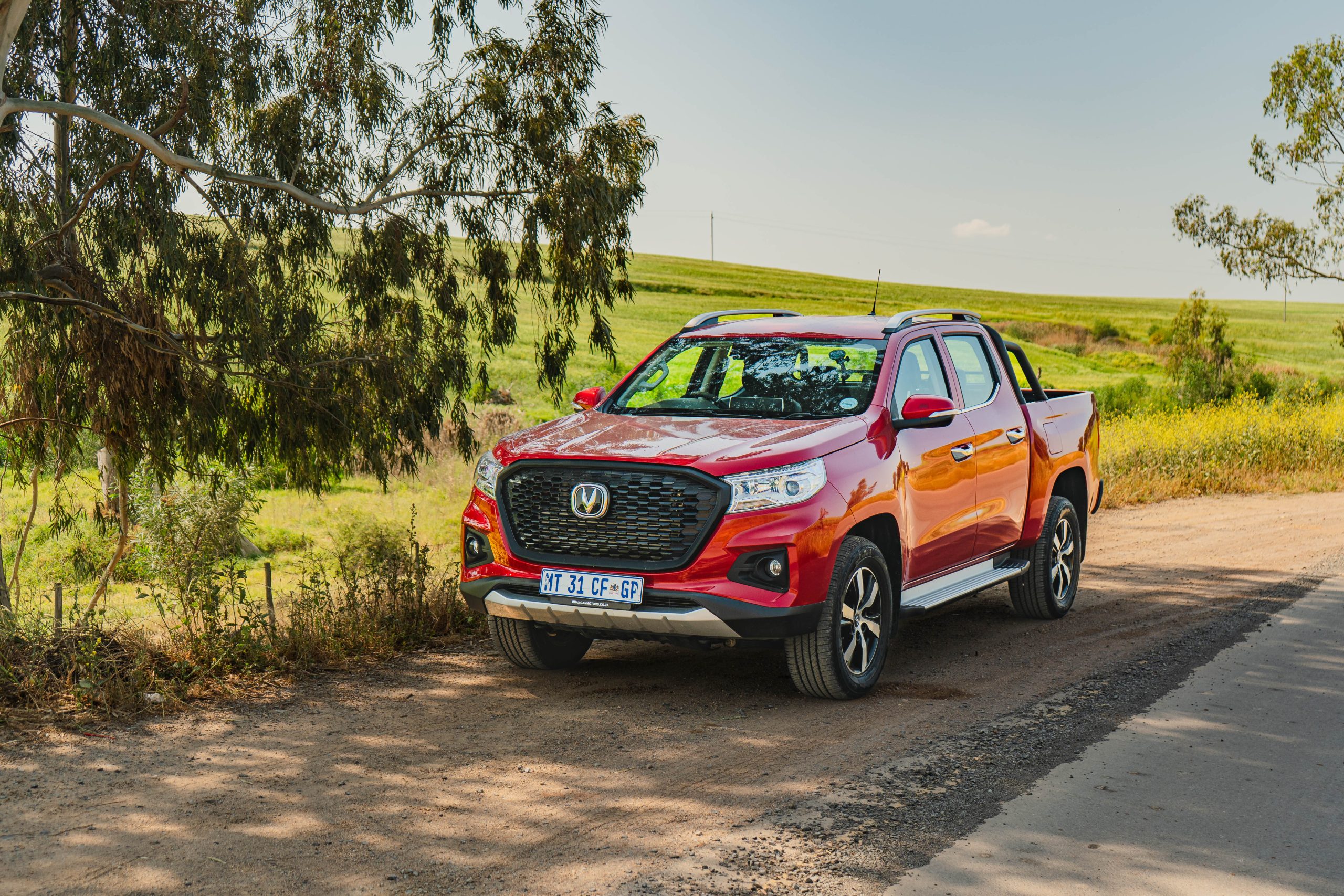
Double-cab bakkies aren’t exactly cheap anymore. With many of the popular models now pushing towards the R1 million mark, buyers looking for something more affordable are having to look beyond the usual names.
That’s where the Changan Hunter Diesel 2.0TD 4×4 Auto comes in.
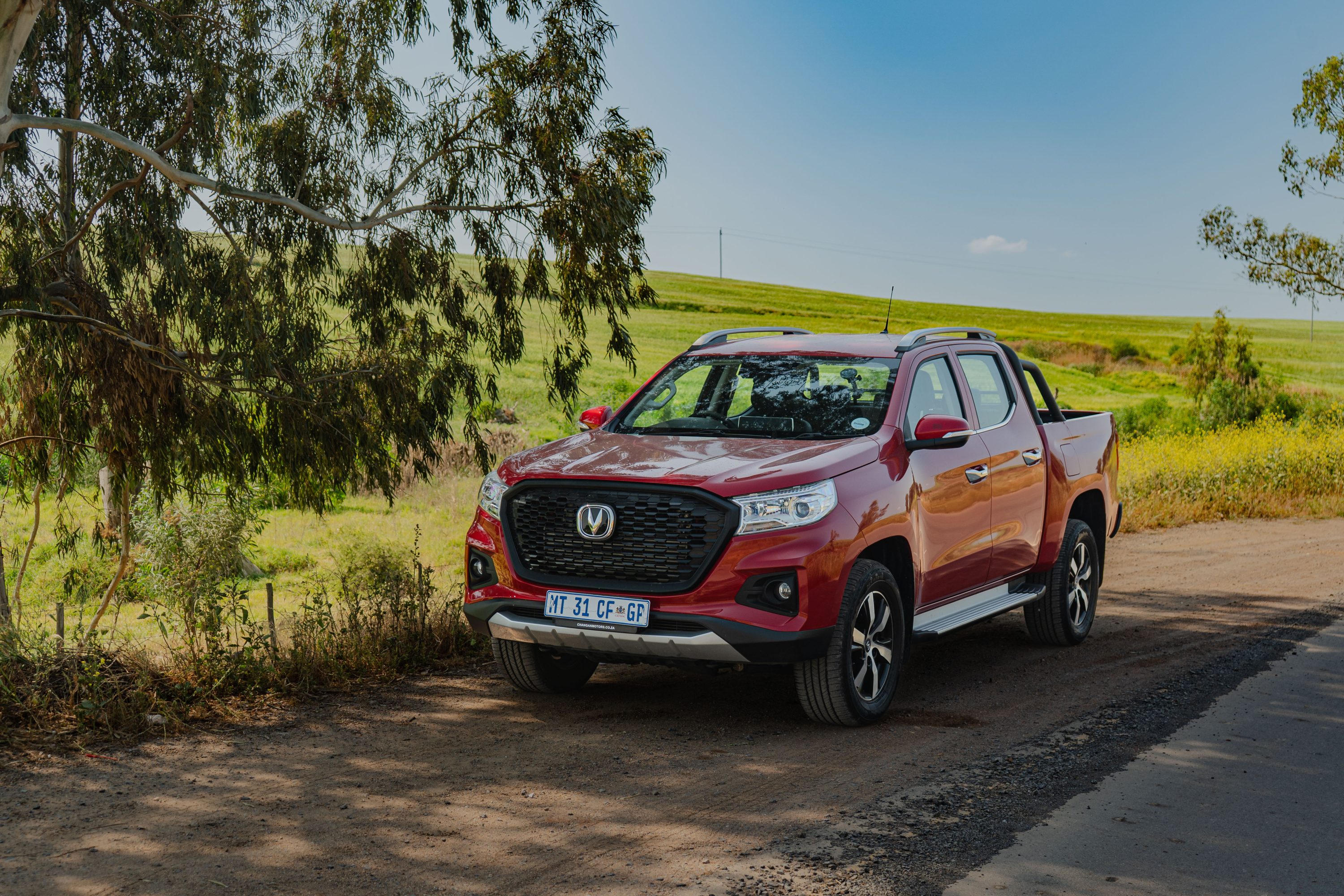
Priced at around R659,000 for the 4×4 automatic, the Hunter is considerably cheaper than many of its established rivals. But does saving money mean you have to make too many compromises?
We recently spent some time behind the wheel, taking the Hunter onto rough country roads to see how it handles everyday driving, poor roads, and the sort of work you’d expect from a double-cab bakkie.
Here are some of the things that stood out.
Changan Hunter 2.0TD 4×4: Key Specifications
The Hunter is powered by a turbo-diesel engine producing 110 kW and 350 Nm, with power sent to all four wheels through a six-speed automatic transmission.
| Specification | Details |
|---|---|
| Engine | 1.9/2.0-litre turbo diesel |
| Power | 110 kW |
| Torque | 350 Nm |
| Transmission | 6-speed automatic |
| Drivetrain | 4×4 |
| Payload | Around 1,000 kg |
| Towing capacity | 2,000 kg |
| Price | Around R569,000 for 4×4 Auto |
Watch the full Changan Hunter review
We put the Changan Hunter 2.0TD 4×4 Auto through its paces on some rougher country roads, while also looking at the interior, driving experience, and what it’s like to live with.
How does the Changan Hunter drive?
The 1.9/2.0-litre turbo-diesel produces 110 kW and 350 Nm, which is hardly class-leading, but it feels adequate for what the Hunter is intended to do. The six-speed automatic is generally smooth and easy to live with around town. When the vehicle is loaded up with passengers, or you need a quick burst of acceleration, however, the gearbox can take a moment to kick down.
There is a manual mode if you want more control over the gears, which can also be useful when towing or dealing with steeper sections of road. It’s not a fast bakkie, but speed isn’t really the point here. The Hunter is more about having enough torque to get through everyday work.
The ride is definitely on the firm side
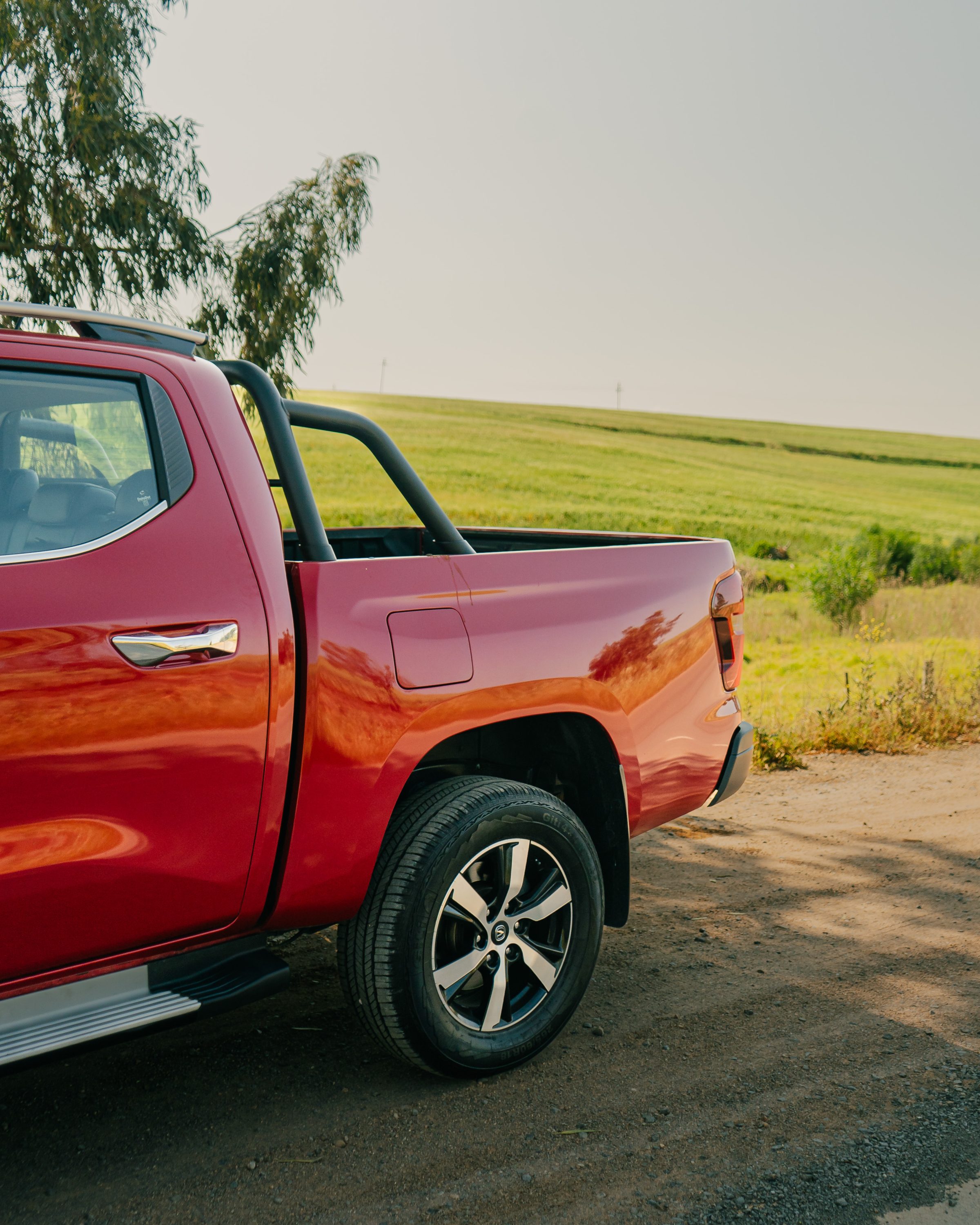
One thing you notice fairly quickly is the suspension. Like most work-focused bakkies, the Hunter uses leaf springs at the rear. That gives it the load-carrying ability you want from a workhorse, but it also means the ride can be quite firm when the load box is empty. On rougher roads, bumps and potholes make their way into the cabin, and rear passengers will probably notice it more than those sitting up front.
Once you put some weight in the back, though, the suspension makes a lot more sense. This is a bakkie designed to carry things, after all.
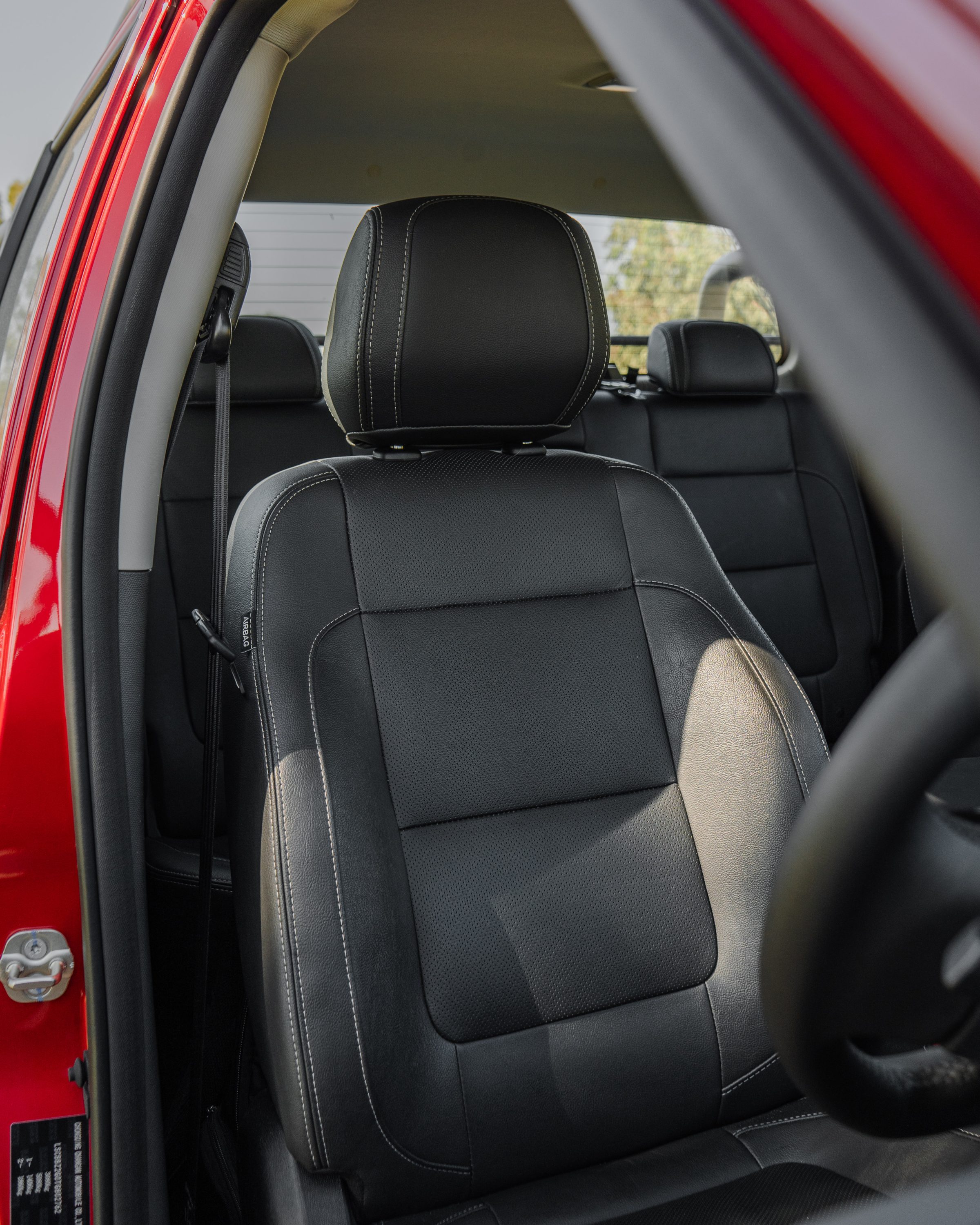
A surprisingly straightforward interior
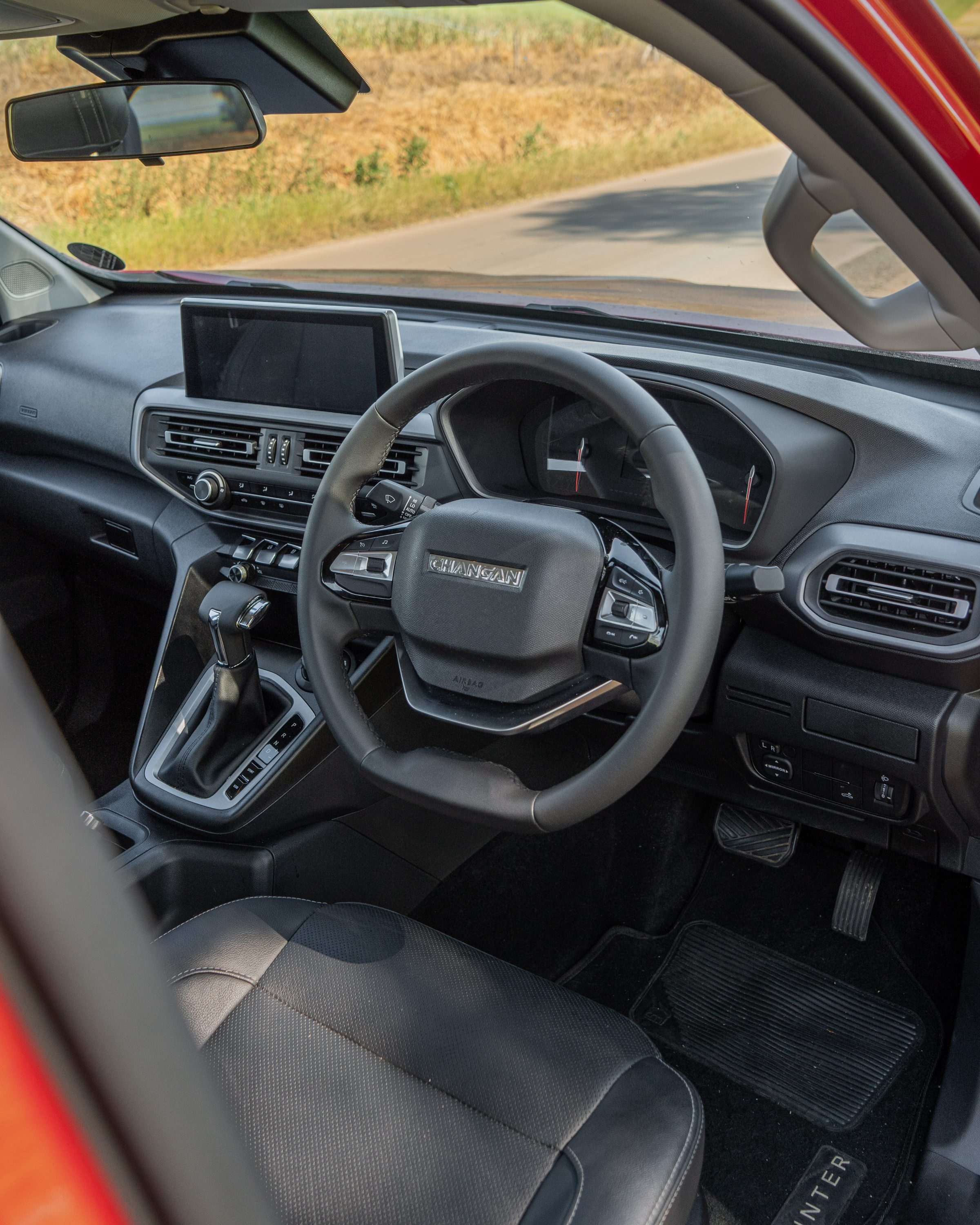
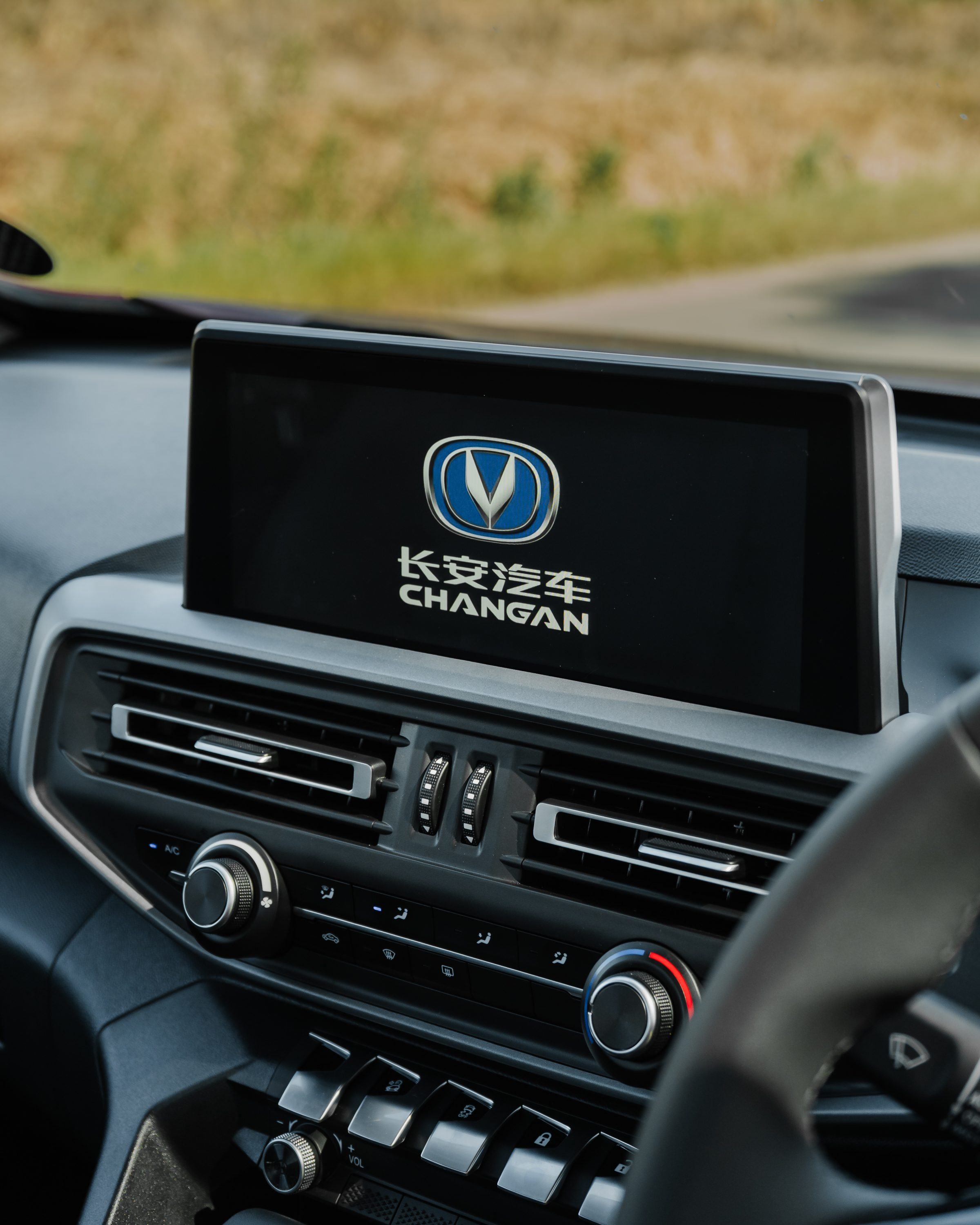
Inside, the Hunter doesn’t try too hard to reinvent the wheel.
There are physical buttons for things such as the climate control, four-wheel-drive system and traction control, along with a proper volume knob. For a vehicle that could spend plenty of time being used for work, that’s actually quite welcome.
The cabin isn’t particularly quiet either. The diesel engine can sound fairly agricultural, especially when starting from cold, and there’s noticeable road and engine noise once you’re moving.
But again, context matters. This isn’t pretending to be a luxury SUV.
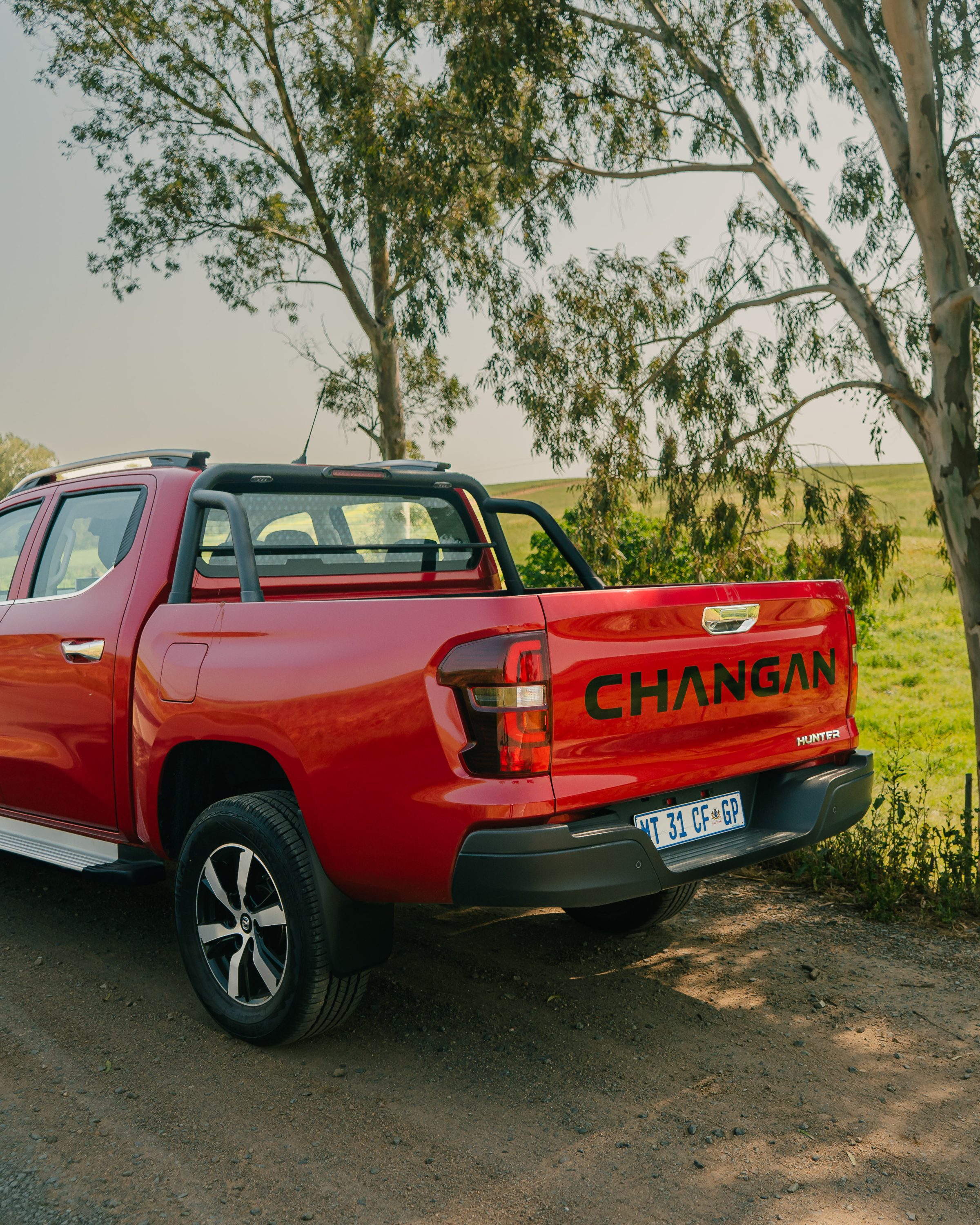
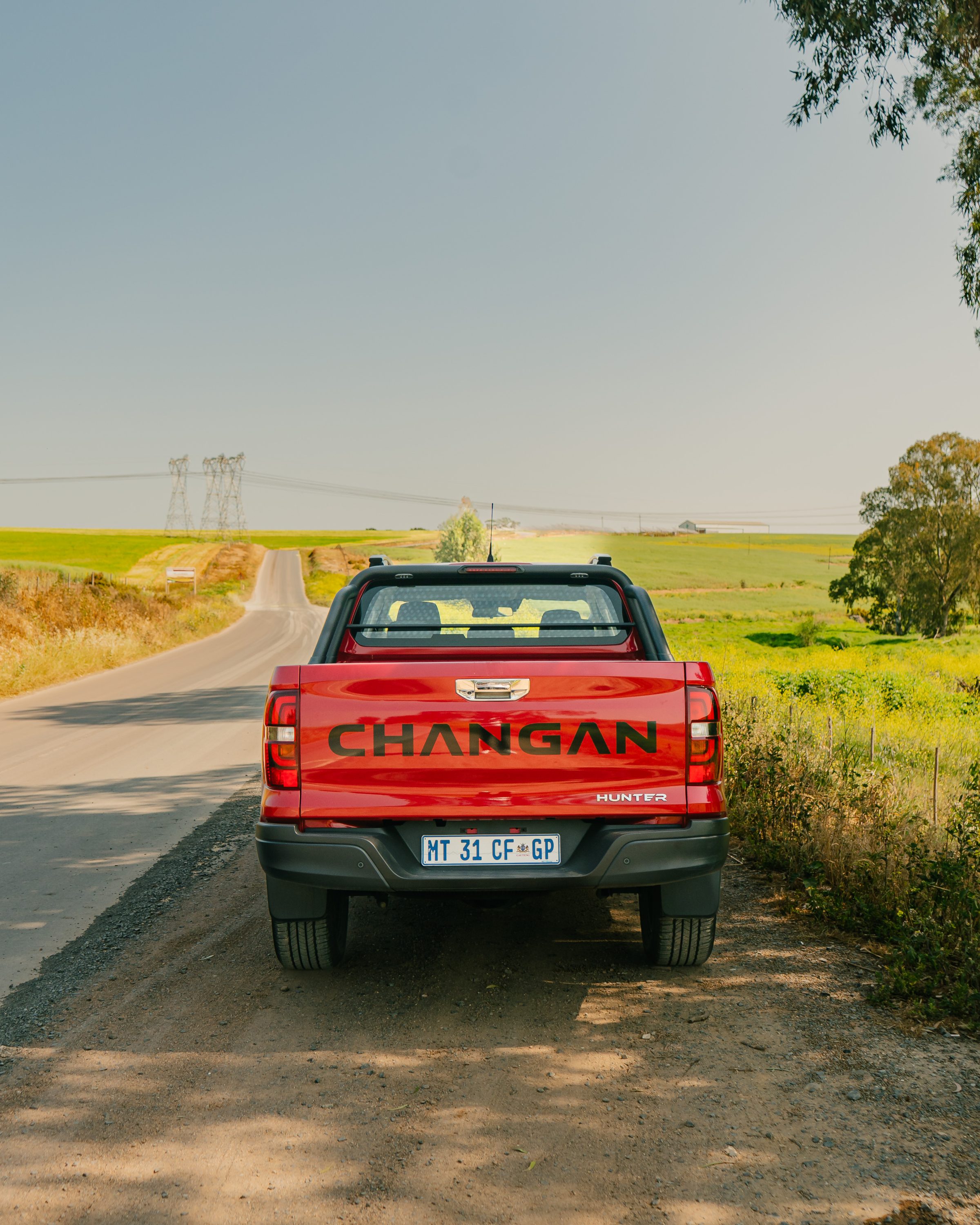
So, is the Changan Hunter worth considering?
At around R659,000 for the 4×4 automatic, the Hunter sits in an interesting part of the market.
You aren’t getting the refinement or road manners of some of the more expensive double-cabs, and the firm ride and noisy diesel engine are things you’ll have to live with.
But if your priority is having a 4×4 double-cab with decent payload and towing ability without spending close to R1 million, the Hunter makes a pretty convincing case for itself.
It could make sense for a small business owner, contractor, or someone who genuinely needs a capable bakkie for work, but doesn’t want to spend a fortune on it.
The bigger question is whether you’re willing to trade some refinement and brand familiarity for the lower price.